HOW TO SELL A SMALL BUSINESS WITHOUT A BROKER

How to Sell a Cleaning Company: A Complete Guide

How to Sell a Cleaning Company: A Complete Guide for Business Owners

If you’ve built a cleaning business from the ground up, you already know the amount of effort, persistence, and passion it takes to grow it. Whether you’re ready to retire, shift into a new industry, or simply cash in on the company you’ve built, selling a cleaning company can be one of the most profitable — and complex — moves you’ll ever make.How to Sell a Cleaning Company: A Complete Guide for Business Owners
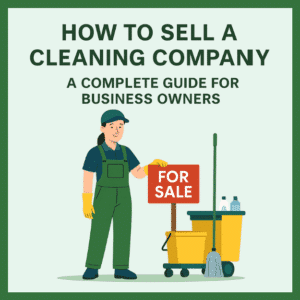
But here’s the truth: selling a cleaning company isn’t like selling a used car. It’s a process that involves careful preparation, strategic marketing, proper valuation, and skilled negotiation. The good news? With the right plan, you can maximize your sale price and ensure a smooth handoff to the next owner.

This guide breaks down how to sell a cleaning company step by step — from preparing your financials to closing the deal — so you can exit on your terms with confidence.

Understanding how to sell a cleaning company is essential for maximizing your business’s value.

Step 1: Get Clear on Your Goals Before You Sell

Before you start listing your business for sale, take a step back and clarify why you’re selling and what you want from the sale. Your goals will shape your strategy.

Ask yourself:

  • Are you selling to retire or pivot into a new business?

  • Do you want a quick sale, or are you willing to wait for the best offer?

  • Would you prefer to sell to an individual buyer, a competitor, or a private equity group?

Understanding your motivations helps you make decisions that align with your desired outcome. For example, a buyer looking for long-term growth might offer more money but need a transition period, while a competitor could move quickly but negotiate aggressively on price.

When considering how to sell a cleaning company, ensure you have a robust plan in place.

Step 2: Organize Your Financial Records and Documentation

Serious buyers want proof that your cleaning business is profitable and sustainable. That means having organized, transparent financials is non-negotiable.

Buyers will be more attracted to a well-prepared approach on how to sell a cleaning company.

Prepare at least the last 3 years of financial records, including:

  • Profit and loss statements (P&L)

  • Balance sheets

  • Tax returns

  • Cash flow statements

  • Accounts receivable/payable records

Also, gather non-financial documents that add value:

  • Client contracts and renewal terms

  • Employee or subcontractor agreements

  • Equipment inventory and maintenance logs

  • Licenses, permits, and insurance policies

The more complete and professional your documentation is, the more confidence buyers will have — and the easier it is to justify a higher price.

Step 3: Determine the Value of Your Cleaning Company

One of the most important parts of selling your business is figuring out what it’s worth. Many cleaning business owners underestimate or overestimate their company’s value, which can lead to leaving money on the table or scaring off buyers.

For many cleaning business owners, learning how to sell a cleaning company can feel overwhelming.

The most common valuation methods for cleaning businesses include:

  • EBITDA Multiple: Most cleaning companies sell for 2.5x to 4x EBITDA (earnings before interest, taxes, depreciation, and amortization), depending on size, stability, and growth potential.

  • SDE Multiple: For smaller owner-operated cleaning companies, buyers often look at Seller’s Discretionary Earnings (SDE) and pay around 2x to 3x SDE.

  • Revenue Multiple: Some deals are based on annual revenue, typically 0.5x to 1x revenue for residential cleaning companies and 1x to 2x for commercial contracts with recurring revenue.

Other factors that influence valuation include:

  • Client diversity (relying too heavily on one large client can lower value)

  • Contract length and renewal rates

  • Recurring revenue percentage

  • Brand reputation and online reviews

  • Workforce reliability and turnover rates

If you’re unsure how to calculate these numbers, consider getting a professional business valuation. It’s one of the smartest investments you can make before going to market.

👉 Pro tip: Request a free business valuation here to find out what your cleaning company might sell for today.

It’s crucial to know how to sell a cleaning company before you approach potential buyers.

Tips on How to Sell a Cleaning Company Successfully

Step 4: Increase the Value Before You Sell

Your strategy on how to sell a cleaning company can greatly influence the sale outcome.

If you’re not in a rush, spending 6 to 12 months improving key areas of your business can significantly boost your sale price. Buyers pay more for companies that look “hands-off” and scalable.

Here’s how to make your cleaning business more attractive:

  • Lock in long-term contracts with commercial clients.

  • Automate and document systems (like scheduling, invoicing, and hiring) to show the business can run without you.

  • Build a strong online presence with reviews and a professional website.

    Improving your business’s appeal is a smart move when learning how to sell a cleaning company.

  • Train a second-in-command to take over daily operations.

  • Diversify your client base to reduce risk.

Even small improvements — like adding recurring services or reducing customer churn — can make a big difference in your valuation.

Understanding how to sell a cleaning company requires knowing your business inside and out.

Step 5: Decide How You’ll Sell the Business

When it’s time to put your cleaning company on the market, you have a few different options for how to sell:

1. Sell it yourself (FSBO):

If you’re comfortable negotiating and have a buyer in mind (like a competitor or employee), you can handle the sale independently. Just be prepared to manage legal documents and due diligence yourself.

2. Work with a business broker:

A broker can market your business confidentially, qualify buyers, and negotiate the best deal. They typically charge 8%–12% commission but often secure higher sale prices and faster closings.

3. Sell to a strategic buyer or competitor:

Competitors or larger cleaning companies may be willing to pay a premium to acquire your client list, employees, and local market share.

4. Private equity or investor groups:

Choosing the right buyer is part of the puzzle on how to sell a cleaning company.

Larger cleaning businesses with strong recurring revenue and systems in place may attract investment firms looking to scale in the industry.

Step 6: Market Your Cleaning Company to Qualified Buyers

Marketing your cleaning business effectively is critical when you decide how to sell a cleaning company.

A well-marketed business sells faster and for more money. Highlight the strengths buyers care about most:

  • Strong recurring revenue and retention rates

  • Established reputation with excellent reviews

  • Turnkey operations with documented systems

  • Skilled team and low turnover

  • Scalability and growth potential

Use platforms like BizBuySell, BizQuest, Flippa, or local business-for-sale directories to reach buyers, and ensure your listing is compelling with a strong executive summary and financial highlights.

Highlighting your strengths can help you convey how to sell a cleaning company to interested buyers.

Step 7: Negotiate the Deal and Prepare for Due Diligence

Once offers start coming in, it’s time to negotiate. Buyers may submit a Letter of Intent (LOI) outlining price, terms, and transition expectations.

Key points to negotiate include:

  • Sale price and payment structure (cash, seller financing, earn-out)

  • Non-compete agreement terms

  • Transition period length and involvement

  • Asset vs. stock sale structure (consult your accountant and attorney)

Next comes due diligence, where the buyer will request deep financial, legal, and operational details. Being well-prepared here builds trust and keeps the deal moving forward.

Step 8: Close the Sale and Transition Smoothly

Each step in the process teaches you how to sell a cleaning company successfully.

Once due diligence is complete and both parties agree to the terms, you’ll sign the final purchase agreement and transfer ownership. This phase may include:

  • Handover of contracts and licenses

  • Employee introductions and training

  • Client transition communication

  • Post-sale consulting period (if agreed upon)

A smooth transition is key to protecting your reputation and ensuring the buyer’s success — which can also impact any future earn-outs or consulting fees.

Common Mistakes to Avoid When Selling a Cleaning Company

Avoiding mistakes is part of understanding how to sell a cleaning company effectively.

Even profitable cleaning companies can struggle to sell if owners make these common mistakes:

  • Overpricing the business without proper valuation

  • Hiding financial issues or unpaid taxes

  • Relying too heavily on one or two major clients

  • Failing to document systems and processes

  • Rushing the sale without preparing the business

Avoid these pitfalls, and you’ll dramatically improve your odds of a profitable exit.

Final Thoughts: Selling Your Cleaning Business the Right Way

Selling a cleaning company isn’t just about finding a buyer — it’s about positioning your business as a valuable asset. With careful preparation, a clear strategy, and the right support, you can secure a strong sale price and transition confidently into your next chapter.

Ultimately, knowing how to sell a cleaning company can lead to a rewarding exit.

Whether you’re planning to sell now or in a few years, start preparing today. The more time you spend strengthening your company before listing it, the more you’ll get out of the sale.

Ready to Sell Your Cleaning Company?

Understanding the process will prepare you for how to sell a cleaning company when the time comes.

📞 Schedule a free consultation to discuss your exit strategy with an experienced business advisor. Click here to book your call. No pressure — just honest guidance to help you get the best price for your business.

With the right guidance, you can master how to sell a cleaning company and achieve your goals.
How to Sell a Cleaning Company: A Complete Guide for Owners

How to Sell a Cleaning Company: A Complete Guide for Owners

Selling a cleaning company isn’t just about putting a “For Sale” sign on your business and waiting for offers to roll in. It’s a strategic process that requires planning, preparation, and the right approach — especially if you want to get the best possible price for all the hard work you’ve invested.

Whether you’re ready to retire, pivot to a new business venture, or want to cash out after years of growth, this guide breaks down the step-by-step process of selling a cleaning company.

Why It’s a Great Time to Sell a Cleaning Business

The cleaning industry — from residential maid services to commercial janitorial companies — continues to grow. Businesses and households alike are outsourcing cleaning more than ever, which means buyers are actively searching for profitable cleaning companies to acquire.

If your company has recurring revenue, established contracts, loyal customers, or niche services (like medical or post-construction cleaning), you’re in an even stronger position to sell.

Step 1: Understand What Buyers Want

Before you list your cleaning business, it’s important to think like a buyer. Most buyers are looking for:

  • Recurring revenue: Long-term contracts or subscription-based services are extremely attractive.

  • Strong customer base: A diversified client list shows stability and reduces risk.

  • Documented systems: Standard operating procedures (SOPs) make the transition smoother and add value.

  • Low owner involvement: If the company runs without you, it’s worth more.

  • Growth potential: Room for expansion — whether geographically or by adding services — makes your business more appealing.

When preparing to sell, highlight these strengths front and center in your marketing materials.

Step 2: Prepare Your Financials

One of the first things any buyer will ask for is your financial records. Clean, organized books are critical to building trust and negotiating a strong price.

You’ll need to gather:

  • Profit & loss statements for the last 3 years

  • Balance sheets

  • Tax returns

  • List of recurring contracts and revenue streams

  • Payroll and expense records

  • Asset list (equipment, vehicles, supplies)

💡 Pro Tip: If your books are messy or incomplete, consider hiring a bookkeeper or accountant to clean them up before going to market. This investment often pays for itself many times over in a higher sale price.

Step 3: Determine the Value of Your Cleaning Company

A realistic valuation is the foundation of a successful sale. Most cleaning businesses sell for 2.0–3.5× Seller’s Discretionary Earnings (SDE), depending on size, growth, and customer base.

Here’s a simplified example:

  • Annual Revenue: $750,000

  • SDE: $180,000

  • Industry Multiple: 3×

Estimated Business Value: $180,000 × 3 = $540,000

Factors that can increase your valuation include long-term commercial contracts, strong online reviews, repeat clients, and minimal owner involvement.

If you’re not sure how to calculate SDE or choose a multiple, consider working with a business valuation expert to ensure your asking price reflects the true worth of your company.

Step 4: Make Your Business More Attractive Before Listing

Small improvements before you sell can significantly boost your business’s value. Here are a few steps to consider:

  • Automate systems: Implement scheduling, billing, or CRM software to streamline operations.

  • Diversify contracts: Avoid overreliance on one or two clients.

  • Reduce owner dependency: Train a manager or key employee to handle day-to-day operations.

  • Strengthen online presence: Clean up your website, update your Google Business Profile, and collect customer reviews.

Think of this as “staging” your business — just like you’d stage a house before selling it.

Step 5: Choose How to Sell — Broker vs. DIY

There are two main ways to sell a cleaning company:

1. Use a Business Broker

A broker handles valuation, marketing, buyer screening, and negotiations — but they typically charge 10–12% commission on the final sale price. This option is ideal if you want a hands-off process.

2. Sell It Yourself (For Sale by Owner)

Selling on your own can save you money, but it requires more time and effort. You’ll be responsible for preparing materials, vetting buyers, and managing negotiations.

Either way, the goal is the same: present your business to as many qualified buyers as possible while maintaining confidentiality.

Step 6: Market Your Cleaning Business to the Right Audience

Marketing your business effectively is key to attracting serious buyers. Some proven methods include:

  • Listing on business-for-sale platforms like BizBuySell, BizQuest, and BusinessesForSale.com

  • Reaching out directly to competitors or companies looking to expand

  • Sending targeted email campaigns to potential buyers

  • Using LinkedIn and industry networks for outreach

Your listing should highlight what makes your company valuable — such as long-term contracts, loyal clients, growth opportunities, and low turnover.

Step 7: Qualify Buyers Early

Not every inquiry will lead to a deal. Save time by pre-qualifying buyers before sharing sensitive details. Ask about:

  • Financial capability (proof of funds or pre-approval)

  • Industry experience

  • Timeline for purchase

This ensures you’re only negotiating with serious prospects.

Step 8: Negotiate and Close the Deal

Once you find a buyer, the negotiation process begins. You’ll need to discuss:

  • Purchase price and payment terms (cash, seller financing, or earn-out)

  • Transition period and training

  • Non-compete agreements

After terms are agreed upon, due diligence begins — the buyer will review financials, contracts, and operations in detail. Once complete, you’ll move to a purchase agreement and close the deal.

Final Thoughts: Sell Your Cleaning Business the Smart Way

Selling a cleaning company can be one of the most rewarding moves of your career — but it requires preparation, patience, and the right strategy. By organizing your financials, understanding your value, and marketing effectively, you’ll be in the best position to sell quickly and profitably.

Ready to Sell Your Cleaning Company?

If you’re ready to explore your exit strategy, contact SmallBizSeller today to schedule a free consultation. Our team helps cleaning business owners like you prepare, value, and sell their companies — without the stress.

How to Sell a Restaurant Business: A Step-by-Step Guide

How to Sell a Restaurant Business A Step-by-Step Guide to a Profitable Exit

Selling a restaurant is more than just hanging up a “For Sale” sign — it’s a strategic process that requires planning, preparation, and patience. Whether you’re retiring, ready to explore a new venture, or looking to capitalize on years of hard work, understanding how to sell a restaurant business effectively is crucial to securing the best possible deal.

Understanding how to sell a restaurant business is vital for achieving a satisfactory exit and ensuring a profitable transaction. This guide breaks down the process step by step — from valuing your restaurant to negotiating with buyers — so you can sell with confidence and maximize your return. This guide on how to sell a restaurant business will cover essential steps to ensure a smooth transition.

Step 1: Know Why You’re Selling (and Be Ready to Explain It)

Considering how to sell a restaurant business means being prepared for questions from potential buyers.

Before listing your restaurant for sale, take the time to define your reasons for selling clearly. Buyers will ask this question early in the process, and your response can significantly impact their confidence in the deal.

Common reasons include:

  • Retirement or lifestyle change

  • Pursuing a new business opportunity

  • Relocation

  • Health or personal circumstances

  • Partnership changes

Pro tip: If your restaurant is performing well, highlight that you’re selling for lifestyle reasons — not because of declining sales. Buyers are more likely to pay top dollar for a thriving business.

Step 2: Get a Professional Valuation

Getting a valuation is a crucial step in learning how to sell a restaurant business effectively.

The next step is determining the value of your restaurant. Restaurant valuations typically rely on Seller’s Discretionary Earnings (SDE) — the total financial benefit an owner receives — multiplied by an industry-specific multiple. Most restaurants sell for 1.5 to 3 times the SDE, depending on factors such as location, profitability, and growth potential.

Here’s what influences your valuation:

  • Location: High-traffic or desirable neighborhoods add value.

  • Revenue and profit trends: Consistent growth is attractive to buyers.

  • Lease terms: A long-term, favorable lease increases business value.

  • Brand strength: A strong reputation, loyal customer base, and online presence make your restaurant more desirable.

  • Operational independence: Businesses that don’t rely heavily on the owner command higher prices.

💡 Example: If your restaurant’s SDE is $200,000 and your valuation multiple is 2.5x, the estimated sale price is:

$200,000 × 2.5 = $500,000

Obtaining a professional valuation provides a clear starting point and helps you set realistic expectations when marketing your restaurant.

Step 3: Organize Your Financials and Documentation

One of the biggest deal-breakers for buyers is disorganized or incomplete financials. Before listing, gather and organize all essential documents, including:

  • Profit and loss statements (last 3 years)

  • Tax returns

  • Balance sheets

  • Payroll and employee records

  • Lease agreements and renewal terms

  • Supplier and vendor contracts

  • Equipment lists and maintenance records

You should also prepare an Operations Manual — detailing processes, staffing, vendor relationships, and marketing strategies. This helps buyers see how easily the restaurant can operate without you, making the business more appealing.

Step 4: Boost the Value Before You Sell

If you’re not in a rush to sell, take 6–12 months to improve your business’s performance and make it more attractive to buyers. Even small changes can have a big impact on your final sale price.

Here’s how to increase your restaurant’s value:

  • Diversify revenue by adding catering, delivery, or event services to expand income streams.

  • Strengthen online reviews: Buyers will check Yelp, Google, and social media — make sure they see strong ratings.

  • Renegotiate contracts to lower costs or secure better vendor terms, thereby improving margins.

  • Hire and train a manager: Businesses that run without the owner are far more valuable.

  • Update branding: A fresh website, new signage, or updated decor can make your restaurant stand out.

Step 5: Choose Your Selling Strategy

There are two main ways to sell your restaurant:

1. Work With a Business Broker

Brokers specialize in selling businesses and can handle valuation, marketing, buyer outreach, negotiations, and due diligence. However, they usually charge a 10–12% commission on the final sale price.

✅ Best for: Owners who want a hands-off approach or lack experience selling a business.

2. Sell It Yourself (FSBO – For Sale by Owner)

Selling on your own means handling everything — from listing and marketing to negotiating and closing. This saves money on commissions but requires more effort and expertise.

✅ Best suited for: Experienced business owners or those who are comfortable managing the sales process.

Step 6: Market Your Restaurant to the Right Buyers

Marketing is one of the most critical steps when learning how to sell a restaurant business. A well-targeted marketing plan ensures you reach serious, qualified buyers without risking confidentiality.

When you understand how to sell a restaurant business, you will be more confident in your marketing efforts.

Effective strategies include:

  • Listing on business-for-sale websites like BizBuySell and BizQuest

  • Reaching out to restaurant groups, investors, and franchise owners

  • Emailing industry contacts or networking in restaurant associations

  • Using a broker’s buyer database or private marketing channels

When creating your listing, highlight key selling points like location, customer loyalty, growth potential, and profitability. Include professional photos and a compelling summary — remember, buyers are drawn to stories, not just numbers.

Developing a strong marketing strategy is key to how to sell a restaurant business successfully.

Step 7: Screen Buyers Early

Not every inquiry will be serious, and wasting time on “tire kickers” can stall your sale. Screen buyers before sharing sensitive details by asking:

  • Do you have financing or proof of funds?

  • What’s your experience in the restaurant industry?

    In your approach to how to sell a restaurant business, always prioritize serious inquiries.

  • Are you willing to sign a Non-Disclosure Agreement (NDA)?

Pre-qualifying buyers ensures you only spend time on serious prospects and keeps your sales process confidential.

Step 8: Negotiate and Close the Deal

Once you’ve found the right buyer, it’s time to negotiate terms. Key points to consider:

  • Purchase price: Agree on a fair valuation based on financials and market conditions.

  • Payment terms: Will the sale be made in cash, with seller financing, or via an earn-out agreement?

    Understanding how to sell a restaurant business includes negotiating terms that benefit both parties.

  • Transition period: Will you stay on temporarily to assist in training the new owner?

  • Non-compete: Most buyers require sellers to agree not to open a competing restaurant in the vicinity.

During due diligence, the buyer will verify all financial and operational details to ensure a thorough understanding of the business. Once that’s complete, you’ll sign the purchase agreement and transfer ownership.

Final Thoughts: Selling a Restaurant Doesn’t Have to Be Stressful

With the right knowledge on how to sell a restaurant business, you can ease the transition for the new owner.

Selling your restaurant is a major milestone — and with the proper preparation, pricing strategy, and marketing plan, it can also be one of the most rewarding experiences of your career.

By understanding how to sell a restaurant business step by step, you’ll be better positioned to attract serious buyers, negotiate confidently, and walk away with the value your hard work deserves.

Knowing how to sell a restaurant business can lead to a successful and profitable exit strategy.

Ready to Sell Your Restaurant?

Let us help you prepare, value, and market your business for maximum results. Schedule a free consultation today to start your next chapter with confidence.

Ready to learn how to sell a restaurant business? Let our experts guide you through the process.